
Puppy Training & Early Development
Build confidence, communication, and reliable foundations from the very beginning.
The early months of your puppy’s life play a huge role in shaping future behaviour.
Our puppy training programmes focus on creating calm, confident, and engaged dogs through proper socialisation, structure, communication, and fulfilment.
We help owners avoid common behavioural problems before they develop while building strong foundations for lifelong success.
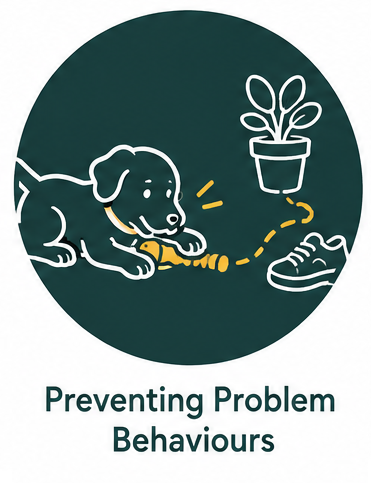
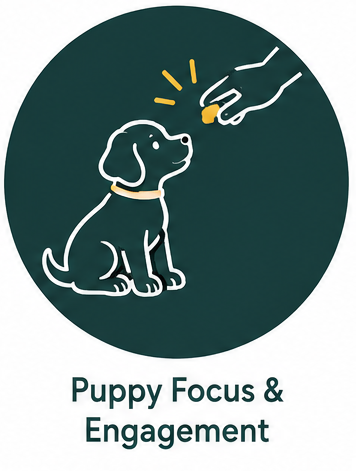
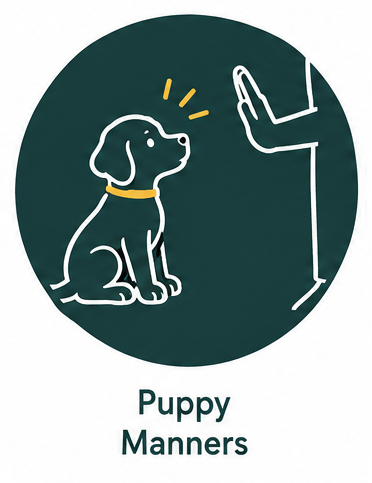
WHAT EARLY PUPPY TRAINING HELPS WITH
Want to work with us?
How Our Puppy Training Works
- Book Assessment
Choose a time and date convenient for you through our online booking system. Assessments are all held at our Wigan based facility
- Initial assessment
We begin by understanding your dog’s behaviour, lifestyle, history, and training goals.
- Train & Develop Your Puppy Correctly
Give your puppy positive, controlled experiences around people, dogs, sounds, environments and everyday situations, helping them grow into a confident adult.
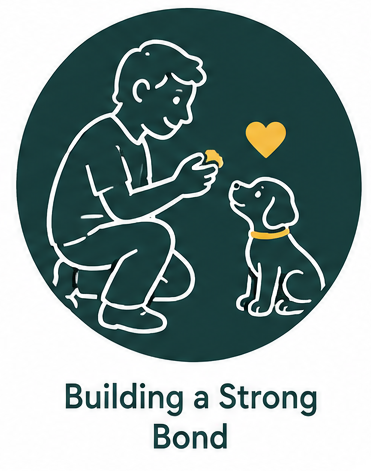
- Building a Strong Bond
Learn how to communicate clearly with your puppy, reward the behaviours you want and create a relationship based on trust, consistency and understanding.
- Lifetime Support
We provide continued guidance to help maintain consistency and long-term results, along with a social, ongoing, element to the training you wont find anywhere else…. Plus we get to see your puppy grow up!
WHAT ARE THE BASIC ELEMENTS OF PUPPY TRAINING?
Foundation Obedience
- Name recognition
- Recall foundations
- Sit, down, and place
- Lead introduction
- Engagement and focus
- Marker training
Life Skills
- Crate training
- Toilet training guidance
- Bite inhibition
- Settling in the home
- Handling and grooming preparation
- Building confidence independently
Socialisation
Your puppy will learn:
- Environmental confidence
- Neutrality around dogs and people
- Calm public behaviour
- Healthy curiosity
- Emotional regulation
Puppy Training Prevents
- Reactivity
- Anxiety
- Lead frustration
- Poor impulse control
- Over-arousal
- Fear-based behaviours